Genetics 101

Genetics 101

Most of you are familiar with the beautiful ‘Double Helix’ shape of Deoxyribonucleic acid (DNA) discovered at Kings College London in the early 1950’s by Rosalind Franklin, and you are aware that we inherit our genes from our parents.

When we run DNA test, we distinguish between mtDNA (mitochondrial DNA from the maternal line) and nDNA, (nuclear). These have to be separated out in order to test properly.

We also ‘cut’ the genes, to look for particular areas which are known to hold certain information which has been mapped and we can relate to certain things.

For example, we can test for what colour the fur might be in an animal

Let’s say we have a dna sample of a dog, and two potential owners of that dna, one blue merle, one black and white.

We could match the ‘colour’ genes to the dog.

However, what it they had a puppy, and it’s genes had both blue merle and black and white genes?

This is where epidenetics or gene expression comes in.

A gene can be ‘expressed’ or not, and it’s not always evident by the phenotype (by what you can see on the animal), in this coat colour example, it tends to be obvious, but it may not be on other, more health related genes.

Our genes are static, in that they don’t move around, what you are born with is the sequence that they should stay in, as long as mutation does not occur, however, your gene expression can change.

Gene expression can be changed by environmental factors, stress, illness and stochastic events.

Now, I don’t know anyone whose hair colour went from brown to red overnight without chemical help, but to white, or all falling out – that happens and is obvious due to phenotype.

Now, why have I said all this?

Because I’m increasingly seeing people worried about their genetic tests, which have become more popular since certain people started having body parts removed in order to mitigate the risk of cancer. Now, I’ve done those tests too, and my son has 74 very worrying mutations.

But here’s the thing.

You may have the genes which have been shown to be linked to certain diseases, however, they may not be expressed! In other words, that is no guarantee that you’ll develop those diseases.

Expression can be changed by environmental factors, stress, illness and stochastic events, so, that’s hypothetically you might get in a car crash and it could trigger that gene – which would be completely out of your control. However, it seems that environmental factors are more common for having that effect and that you can control and therefore you can mitigate the risk of the gene switching on, or possibly switch the gene off.

You can eat a clean diet, buy fresh organic produce, eat a paleo or ketogenic diet, avoid processed foods and drinks. Avoid environmental toxins, avoid household toxins, exercise, consume clean supplements, do nutritional balancing and detoxing and live a healthy lifestyle: that is your very best defense from the risk of methylation of those genes.

Join us in the revolution by improving health via nutrition

The Healthy Lifestyle Dichotomy

There is a huge diversity of what people consider to be healthy eating, healthy living and a healthy lifestyle in general. My personal choices have been redefined and reinvented many many times, based on both research and experience, but what suits one, may not suit another and what someone thinks suits them, may not actually be doing them any good at all.

A Facebook memory came up today, of me eating a low fat yogurt and the background noise quite clearly indicated I was watching ‘Quantum Leap’. Well a Quantum Leap is what has been made from that day to this.

Back then I believed what the government and big food manufacturers and even general medical practitioners told me was healthy food, was true:

  • I ate a ‘healthy’ cereal for breakfast (have come to realise there is no such thing)
  • A ‘balanced’ lunch – often consisting of a sandwich, packet of crisps (chips) and skipped the chocolate bar, that I usually had with lunch up until around 2002, but instead went for the ‘healthier’ carrot cake. (All standard ‘Meal Deal’ options in the shop)
  • For dinner  I ate ‘low fat’ prepackaged meals, often ones that were simple and quick to get ready via the microwave, and perhaps a ‘low fat’ yogurt for dessert.

I ignored the fact that the bowl of fruit always went off and needed to be thrown out, and I ignored the amount of snacking I generally did, which was biscuits, chocolate, crisps and pastries.

And in general I thought I ate better than others – I’d swapped out sugar for honey in my drinks and stopped drinking carbonated anything, so hey, I was pretty aware right – OK I wasn’t eating organic, but who can afford that?

I was a UK dress size 10 (US 8) and as I wasn’t able to exercise (still can’t) due to my disability I thought I was doing great….

OH HOW WRONG I WAS!

However, my misinterpretation of what was healthy – whilst sitting watching hours of television and stuffing myself with starch, sugar, aspartame and the ‘chemical shit storm’ required to make ‘low fat’ anything taste remotely good, was then, and is now, still what many people perceive as healthy. This of course is not helped by ‘government advice’ and the ‘food industry’ in general.

Bear in mind that my diet then, was after almost a decade of researching into canine nutrition and being really strict with ensuring that my animals did not eat starch or sugar, whilst at University studying animal health in depth and after teaching hundreds of others to raw feed their pets.

How on Earth did I not make the connection?

It’s difficult! It’s difficult when we are surrounded by misinformation. I’ve even seen the previous First Lady promoting ‘low fat’ milk to children on Sesame Street! She had evidently been misinformed too, as we know now that ‘low fat’ milk actually promotes weight gain, as does ‘low fat’ practically anything and that actually a diet high in natural fats and low in starch is much more ‘species appropriate’, and yes I use that term on purpose.

After years of a vegetarian lifestyle and spending much time with vegan friends, I found that I would often get sick but a bite or two of meat would soon sort me out. Once I discovered I was pregnant, not being a certified nutritionist at the time (I’m working on that), I didn’t want to risk my inutero child missing out on essential fatty acids for growth and brain health, so I went back to an omnivorous diet.
After a while I was unable to face breakfast or any food at all in the mornings and turned to shakes, with whole organic milk, at least 1 organic banana, and I’d add supplements, spices and coconut oil.

When my son was born we had a huge breastfeeding malfunction and I had to feed formula. The products I was given in the hospital ended up leading to him having a very negative reaction to pasteurised milk, which took quite a while to diagnose. Once home I found an Organic Goats Milk Formula, based on whole milk and his tiny tiny body (born 5lb 5oz, but under 5lbs by the time we left the hospital), began to thrive.

Once it was time for solids, I was determined to keep him to organic, and could not see the logic in cooking fruits before feeding them; so I put organic apples, pears and carrots etc. through the juicer, mixed the both parts together and fed him raw puree. Having found that pretty much all ‘baby rice’ contained arsenic, I studiously avoided it, but when the time came I must admit I did feed toast and bread, organic, but none-the-less starch.

At Eighteen months I got a rebate through which enabled me to send off for MTHFR gene testing for him and the results were frightening!

I often see people in chat forums worried that they have 1 MTHFR mutation, my son has 74!

Having gone through only a few of them I’ve found he is at risk for a whole multitude of horrifying conditions, not limited to, but including, alzhemiers, type 2 diabetes, a number of cancers, multiple heart issues, unable to deal with detox from almost anything, including pharmaceuticals, a lowered immune system and even Huntingtons.

Thankfully, I studied genetics and epigenetics whilst I was taking my Masters in Cambridge, and as I do not know the expression status of any of these mutations, and as I’ve found them early, I can do all I can to mitigate the risks.

Talen has not been vaccinated, he did not have a pharmaceutical form of Vitamin K (I took an organic form and he got it through colostrum), I do not have pharmaceuticals products, other than ‘sodium ascorbate’ (Vitamin C) in the house, and use natural methods to treat anything needed, including herbs, foods, supplements and homeopathy. There is no fluoride in his homemade toothpaste, no SLS, parabens, phalates or other nasties in any cleaning products, or toiletries in the house.

We are now on an almost starch free diet, Paleo/Keto is how I refer to it, with ‘intermittent fasting’. Our dairy products, eggs, fruit and veg are all organic, even my coffee is organic decaf (and not decaffinated via chemical means), and we will move to free range organic meat as soon as humanly possible. As far as ‘but how can you afford to feed/eat organic’, I actually spend around £50 a week on our food, which we get delivered, and that often includes non-toxic biodegradable nappies and wipes.

We have home made smoothies and shakes courtesy of our nutri-bullet on a daily basis and whereas I used to struggle to get my ‘5 a day’, there’s now no risk that we won’t smash it, especially as I now add Super Greens.

I don’t have bread, pasta, rice or biscuits (cookies) in the house – they used to be a staple, we don’t eat legumes, have drastically reduced our nightshade intake, and thankfully I’ve never been interested in forms of squash, the only root veg we have is carrots and we never eat those cooked (cooking alters the Glycemic Index (GI) from low to very high).

I have an entire cupboard full of the cleanest source of vitamins and minerals I can find (our favourite comes in a really tasty drink form) and Talen gets Superfoods, D3 & C daily.

For my weight management I use a pre-made ketogenic system with built in regular detoxes, that is, in my opinion, far superior to all others out there both nutritionally and for quality, and I’m feeling healthier and am much happier that we are both on the right path.

Of course happiness is also integral to a healthy lifestyle, and we enjoy starting and ending the day with giggles, as well as many bouts in between. Stress can also effect health negatively so I’m working on that too. If I can do it, you can do it… x

The risk of the wrong type of oil

Most people are aware of the term Essential Fatty Acids (EFA’s) and many raw feeders supplement their pets diet with oils, but is there a right and a wrong oil?
The answer unfortunately is yes.
Chemically extracted oils pose a risk for any animal consuming them. The process leads to a chemical reaction between n-hexane and lysine in the original material, this forms 2,5-dimethylpyrrole (DeCaprio, Olajos & Weber, 1982) which is toxic (DeCaprio, Kinney & LoPachin, 2009), degenerating first the peripheral and then the central nervous system.

The other issue is whether the oils you are using are balanced as far as Omega’s are concerned (3, 6 & 9), or if they have  negative effect on absorption.
Cod Liver Oil for example is so high in Vitamin A, that it has a negative effect on the absorption of vitamin D, this has a domino effect on the absorption of calcium, and all that can lead to.
The answer is to only use cold-pressed oils, the two oils recommended by us, and used by Healthful are, Extra Virgin Olive Oil and Cold-Pressed Linseed Oil, because of their balancing effects and the fact that they are not as immune-suppressing as fish oils

Scare Tactics Regarding Bacteria in Raw Food

Risk of bacterial infection from canine raw feeding

Pet food manufacturers educate veterinary surgeons to tell you that there are major risks involved in feeding raw food with regard to bacteria. Their scientists have identified bacteria in pet food and in the feces of those pets fed it, however they do not inform you that a dog on a fully raw, non-grain diet does not get affected by these bacteria, here is why:
Bile and pancreatic juice released into the duodenum are
bactericidal for :

  • E.coli
  • Shigella
  • Salmonella
  • Klebsiella

bacteriostatic for:

  • Coagulase (+ & -)
  • staphulocci
  • pseudomonas

and inhibit candida albicans
National Research Council (2006) Nutrient Requirements of Dogs and Cats. Washington DC The National Research Academic Press

The Raisin Resilience

Risk of grapes and raisins for Dogs

Whilst it is known that grapes and raisins have been shown to be toxic to dogs, with 36% of canines who had ingested them going on to develop symptoms and a 7% death rate, many dogs can eat copious amounts and not have any reaction.
Recently my puppies managed to get hold of a 500g bag of Organic Giant Raisins, this had been put at a height presumed to be out of reach, and is not something I condone or advise, however, thankfully all pups are unscathed.
For those dogs that are susceptible, the toxic dose of grapes is estimated to be 19g/kg and of raisins, 3g/kg. Whilst the mechanism of toxicity is unclear, it is known to lead to renal failure and there have been reports of dogs dying after ingesting just 4 raisins.
Clinical signs are vomiting and diarrhea developing within a few hours of ingestion, with pieces of grape/raisin in what has passed. Acute renal failure develops within 48 hrs.
Please be vigilant, but know that whilst 4 raisins can kill a dog, 1 peanut can kill a person who has an allergy, not all dogs will die from raisin ingestion.

The Spay/Neuter Health Denigration

Risks of Spaying & Neutering Pets

Turner, H.B. (2014) The Spay/Neuter Health Denigration. Healthful Dog 1[2]:52-55 

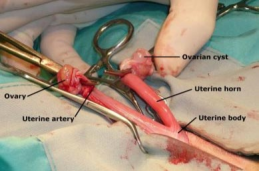
Sterilization will naturally serve to prevent any unwanted litters. In bitches, spaying will greatly reduce the risk of breast cancer, pyometra, perianal fistula and cancers of the reproductive organs.5

Spay surgery itself carries a somewhat high rate (around 20%) of complications such as infection, haemorrhage and even death.5

Spaying significantly increases the rate of urinary incontinence in bitches….about 20-30% of all spayed bitches will eventually develop this problem. This is believed to be most likely caused by the lack of oestrogen that results from being spayed.1

Sterilization of males may reduce some unwanted sexual behaviours, but there are few other proven benefits to neutering a male dog. Testicular cancer is prevented, but the actual risk of that cancer is extremely low (0.1%) among intact dogs. Contrary to popular belief, studies show that the risk of prostate cancer is actually HIGHER in neutered dogs than in their intact counterparts.5,12

Several studies prove significant health risks associated with sterilization, particularly when done at an early age. The most problematic is a delayed closure of the bony growth plates. This results in an abnormal, skeletal development that increases the incidence of orthopaedic problems like hip dysplasia and patellar luxation. Working and performance dogs, if neutered before maturity, risk the inability to perform the jobs they were bred for.10

But by far the most startling news to surface this year is the result of a study that shows that keeping ovaries to the age of six years or later is associated with a greater than 30% increase of lifespan in female Rottweilers.4 Similar studies in humans reinforce this finding.7,11

A 30% longer lifespan means that you could have many additional years with your bitch simply by delaying spay surgery until middle-age or later.

Behavioural studies show that sterilization increases fearfulness, noise phobias and aggression. Other well-documented adverse health effects of de-sexing include increased risk of bone cancer, haemangiosarcoma, hypothyroidism, and cognitive dysfunction in older pets. Sterilization confers an increased susceptibility to infectious disease, and also a higher incidence of adverse reactions to vaccines.10

“potential health problems associated with spaying and neutering have also been identified, including an increased risk of prostatic cancer in males; increased risks of bone cancer and hip dysplasia in large-breed dogs associated with sterilization before maturity; and increased incidences of obesity, diabetes, urinary tract infections, urinary incontinence, and hypothyroidism.” Ref: AVMA.org

In a study of well over a million dogs, information on breed, sex, and age was collected and reported to the Veterinary Medical Database between 1964 and 2003. Results—Castrated male dogs were significantly more likely than other dogs to have hip dysplasia (CHD) than other dogs and spayed females were significantly more likely to have cranial cruciate ligament deficiency (CCLD).

Dogs up to 4 years old were significantly more likely to have HD whereas dogs over 4 years old were significantly more likely to have CCLD. In general, large- and giant-breed dogs were more likely than other dogs to have HD, CCLD, or both.

Prevalence of HD and CCLD increased significantly over the 4 decades for which data were examined. There was no data reflecting the decade-by-decade increase but one might suspect that the significantly increased rate of spay and castration procedures may be a factor in the overall forty-year increase. ref: June 15, 2008 Journal of the American Veterinary Medical Association

“increased rate of cystitis and decreasing age at gonadectomy was associated with increased rate of urinary incontinence. Among male and female dogs with early-age gonadectomy, hip dysplasia, noise phobias, and sexual behaviours were increased, whereas obesity, separation anxiety, escaping behaviours, inappropriate elimination when frightened…”

Facts:

Positive for male neutering

  • eliminates the small risk (probably 0.1%) of dying from testicular cancerPicture1
  • reduces the risk of non-cancerous prostate disorders
  • reduces the risk of perianal fistulas
  • may possibly reduce the risk of diabetes (data inconclusive)

Negative for male neutering

  • if done before 1 year of age, significantly increases the risk of osteosarcoma (bone cancer); this is a common cancer in medium/large breeds with poor prognosis
  • increases the risk of cardiac hemangiosarcoma by a factor or 1.6
  • triples the risk of hypothyroidism
  • increases the risk of progressive geriatric cognitive impairment
  • triples the risk of obesity, a common health problem in dogs with many associated health problems
  • quadruples the small risk of (<0.6%) of prostate cancerPicture2
  • doubles the small risk (<1%) of urinary tract cancer
  • increases the risk of orthopedic disorders
  • increases the risk of adverse reactions to vaccination 13

Positive for spaying females

  • if done before 2.5 years of age, greatly reduces the risk of mammary tumors, the most common malignant tumors in female dogs
  • nearly eliminates the risk of pyometra, which otherwise would affect about 23% of intact female dogs; pyometra kills about 1% of intact female dogs
  • reduces the risk of perianal fistulas
  • removes the very small risk of cervical, ovarian and uterine tumours (5)

Negative for spaying femalesPicture3

  • triples the risk of hypothyroidism
  • increases the risk of obesity by a factor of 1.6-2, a common health problem in dogs with many associated health problems
  • causes urinary “spay incontinence” in 4-20% of female dogs
  • increases the risk of persistent or recurring urinary tract infections by a factor of 3-4
  • increases the risk of recessed vulva, vaginal dermatitis and vaginitis, especially for female dogs spayed before puberty
  • doubles the risk(<1%) of urinary tract tumors
  • increases the risk of orthopedic disorders
  • increases the risk of adverse reactions to vaccination 13

For Further Information on the dangers of spay/neuter go to our awareness campaign: vplogo

This research is further to that in my previous blog To Spay/Neuter or not to Spay/Neuter issued in May 2011 http://caninehealth101.blogspot.com/2011/05/to-spayneuter-or-not-to-spayneuter.html

1 Bovsun, Mara; “Puddle Jumping; Canine Urinary Incontinence”; AKC Gazette April 2009
barkingbulletin.com/newsletter/2009/q4/Puddle-Jumping–Canine-Urinary-Incontinence/

2 Fry, Mike, “Reflections from the No Kill Conference in Washington DC”:
animalarkshelter.org/animal/ArkArticles.nsf/AllArticles/3A078C33CD079D17862575AD00471A9B

3 James, Susan Donaldson (ABC News) “300,000 Imported Puppies Prompt Rabies Concerns”
October 24, 2007 petpac.net/news/headlines/importedpuppies/

4 Nolen, R. Scott “Rottweiler Study Links Ovaries With Exceptional Longevity”
JAVMA March 2010 avma.org/onlnews/javma/mar10/100301g.asp

5 Sanborn, Laura J., MS
“Long-Term Health Risks and Benefits Associated with Spay/Neuter in Dogs”; May 14,2007
naiaonline.org/pdfs/longtermhealtheffectsofspayneuterindogs.pdf

6 Thoms, Joy “The Importance of Spay-Neuter Contracts” The Orient Express, Nov, 2009

7 Waters, David J., DVM, PhD, Diplomate ACVS “A Healthier Respect for Ovaries”
gpmcf.org/respectovaries.html

8 Winograd, Nathan J. “Debunking Pet Overpopulation” June 29, 2009
nathanwinograd.com/?p=1390

9 Winograd, Nathan, “Redemption: The Myth of Pet Overpopulation and the No Kill Revolution in America” Almaden Books, 2nd edition, Feb 25, 2009.

10 Zink, Christine, DVM, PhD, DACVP
“Early Spay-Neuter Considerations for the Canine Athlete”; 2005http://www.thedogplace.org/Veterinary/0603-SpayNeuter_Zink.asp

11 “Retaining ovaries may be a key to prolonged life in women and dogs”; DVM Newsmagazine; Dec 5, 2009. veterinarynews.dvm360.com/dvm/ArticleStandard/Article/detail/646838

12http://www.naiaonline.org/pdfs/longtermhealtheffectsofspayneuterindogs.pdf
13 Moore, G.E. Guptill, L.F. Ward, M.P. Glickman, N.W. Faunt, K.K. Lewis, H.B. & Glickman, L.T. (2005) Adverse events diagnosed within three days of vaccine administration in dogs. JAVMA 227[7]:1102-1108

Spay photo from http://www.cannonvet.com/spay.htm

World Rabies Day—28th September

Rabies Awareness

First written about in Mesopotamia in 1930 B.C. rabies has been around for 4,000640px-Werwolf years. Whilst the first medical record of rabies in a human was registered in Boston in 1768 (Baer, 1991), there are many other forms of records. Early medieval records depict lycanthropy as does ancient Greek literature, one of the most famous of woodcutting depicts a ’werewolf’ looking for all the world like a man gone mad.

In fact rabies is caused by lyssaviruses ‘lyssa derived from the word ‘lud’ or ‘violent’, ‘rabies’ from the Latin meaning ‘madness’.

Scratches or bites from an infected being spread the disease, causing acute inflammation of the brain leading to:-

  • Violent movements
  • Uncontrolled excitement
  • Anxiety
  • Agitation
  • Paranoia
  • Hallucinations
  • Delirium
  • Fear of water, also unquenchable thirst
  • Inability to move parts of the body
  • Confusion
  • Loss of consciousness

Whilst the first stage of infection is characterised by behavioural changes, the second stage is known as “furious rabies”, where the infected have a tendency to be hyper-reactive to external stimuli and bite anything in their immediate vicinity, it is obviously at this stage when others are most likely to also become infected. The third and final stage is paralytic, signs being drooling, difficulty swallowing, facial paralysis, limb paralysis and eventually respiratory arrest. Once the infected have passed, they will look simply as they had prior to infection (remind you of any myths?).

The UK has been rabies free since 1922 after imposing compulsory quarantine for dogs entering the country and introduced ‘Pet Passports’ in 2001, a number of other countries are also rabies free.940px-Rabies_Free_Countries_Sourced_2010.svg

Whilst the pet passport system was first hailed as an invitation to bring Rabies into the country, it has so far proved efficacious. The system required however still entails a wait. In order to qualify your pet (dog, cat or ferret), must be microchiped or tattood prior to being given a rabies vaccination, and for dogs a tapeworm treatment. Thirty days after the rabies vaccine your pet is required to have a blood test proving that the vaccine was successful, a copy of which you are required to keep to present to passport control, not until three months after this test can your pet travel. Unfortunately the required blood test does not always pass, and repeat vaccinations are often required, along with further waits prior to travel.pet_passport

The first vaccine was developed by Louis Pasteur and Emile Roux in 1885 by taking nerve tissue from infected rabbits and allowing it to dry; another source of antibodies is consumption of infected birds after they have recovered (Gough & Jorgenson 1976, Jorgenson & Gough, 1976). Whilst rabies vaccine s are not currently 100% efficacious (Murray et al. 2009), and have a number of side effects:-

  • Immediate:
    • Vomiting
    • Facial Swelling
    • Fever
    • Lethargy
    • Circulatory Shock
    • Loss of consciousness
    • Death
  • Delayed onset
    • Cancer at site of injection
    • Seizures or epilepsy
    • Autoimmune disease
    • Allergies
    • Skin diseases
    • Muscle weakness
    • Chronic digestive disorders
    • Behaviour issues (Jan Rasmusen)

A new protocol of rabies vaccine manufacture has been identified as efficacious in all cases, this involves using membrane-anchored flagellin or Escherichia coli in the vaccine (Qi et al. 2015), long term testing is still required. However current vaccines are detailed by the manufacturer as providing immunity from 1-4 years, but legal requirements are either annual or tri-annual vaccination in the United States. Results of a seven year research project by Prof. Ronald Schultz is expected to show at least 7 years of immunity from one vaccine, indicating yet more mandated over-vaccination.

In exactly the same way as Cancer, Rabies requires an acidic environment and sugar (CDC , 2009) in order to replicate. If the history of lycantrophy is simply due to a lyssa virus contracted from a wild animal, or wolf with rabies, then it would make sense that these wolves were less afraid of people due to feeding on their refuse, taking in simple carbohydrates that are not species appropriate to their systems, hence leading them to have an acidic and sugar filled environment in which the rabies virus can successfully proliferate.

This being the case raw fed dogs on a species appropriate diet, containing no simple carbohydrates or sugars would be significantly less likely to contract this horrific, terminal disease.rabies

References:

Baer, G.M. (1991) The Natural History of Rabies. 2nd Ed. CRC Press Inc. United States

CDC (2009) Rabies Post-Exposure Prophylaxis [Internet] Available from: http://www.cdc.gov/rabies/exposure/postexposure.html (Accessed 30/1/2010)

Gough, P.M. Jorgenson, R.D. (1976) Rabies antibodies in sera of wild birds. Journal of Wildlife Diseases 12[3]:392-395

Jorgenson, R.D. & Gough, P.M. (1976) Experimental rabies in a great horned owl. Journal of Wildlife Diseases. 12[3]:444-447

Murray KO, Holmes KC, Hanlon CA. (2009) Rabies in vaccinated dogs and cats in the United States, 1997–2001. J Am Vet Med Assoc 235:691–5

Qi, Y. Kang, H. Zheng, X. Wang, H. Gao, Y. Yang, S. & Xia, X. (2015) Incorporation of membrane-anchored flagellin or Escherichia Coli heat-labile enterotoxin B subunit enhances the immunogenicity of rabies virus-like particles in mice and dogs. Frontiers in Microbiology. [Internet] Available from: http://journal.frontiersin.org/Journal/10.3389/fmicb.2015.00169/pdf (Accessed 18/02/2015)


Chemical Castration and Contraception

Non-surgical spay/neuter options

Several studies have established that surgical sterilisation raises significant health risks, particularly when performed at an early age; the most problematic of which is delayed closure of bony growth plates resulting in abnormal skeletal development that increases the incidence of orthopaedic problems such as hip dysplasia and patellar luxation.

Further studies have revealed that whilst spay surgery carries a high rate of complications, around 20%, such as infection, haemorrhage and even death, and that it the lack of oestrogen created leads to around 20-30% of spayed bitches developing urinary incontinence,  waiting to spay until after the age of six can increase longevity by 30%. Neutered males have an increased risk of prostate cancer (4 times the risk), both sexes have an increased risk of Osteosarcoma (bone cancer), haemagiosarcoma, hypothyroidism (triple the risk), obesity (3 times the risk), diabetes, urinary tract infections (3-4 times the risk), urinary tract cancer (double the risk), urinary incontinence and cognitive dysfunction in older pets. Behavioural studies have shown increased fearfulness, noise phobias and aggression.

If surgical sterilisation comes with all of the above risks, what about the new option of chemical castration?

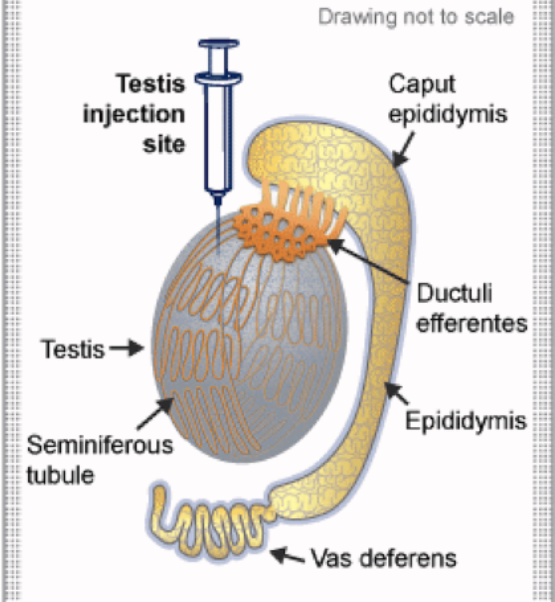
According to vetinfo.com chemical castration with Neutersol, recently renamed Zeuterin and released onto the market in February of this year, is FDA approved as 99.6% effective, and can be used on males between 3 and 10 months old.  The chemical is injected into each testes and the amount provided is dependent on their diameter. Apparently it does not have a significant effect on testosterone production, and does not appear to effect behaviour and the animal may succumb to irritation and inflammation at the injection site. Zeuterin contains Zinc Gluconate and L-Arginine and works by destroying existing spermatozoa in both the seminiferous tubules and the epididymis, resulting in the collapse of the empty tubules, leaving scar tissue to block any further transport (Ark Sciences, 2014).

The side effects are listed as:

  • Scrotal pain one to three days after injectionPicture1
  • Mild, temporary swelling
  • Scrotal irritation or dermatitis
  • Low white blood cell count
  • Anorexia
  • Lethergy
  • Diarrhea

There are also contraceptives available to bitches, in drop or pill form. Mibolerone is a drop given daily for 30 days prior to the heat cycle, with side effects such as:

  • Liver damage
  • Infertility
  • Increased risk of vaginal infection and indoor wetting
  • Body odour
  • Skin problems
  • Vaginal distortion
  • Personality and behaviour changes

Ovaban is a pill to be administered at the beginning of the heat cycle, with side effects listed as:

  • Uterine infections
  • Mammarian cancer
  • Breast enlargement
  • Weight gain
  • Changes in coat

The question then becomes a philosophical one, which only the owner can answer, are you happy to take the risk, or simply separate your pets for 3 weeks once or twice a year?

We recommend reading: The Spay Neuter Health Denigration & checking out Voss Pets

Ark Sciences (2014) Zeuterin. [Online] Available from: http://www.arksciences.com/product.html (accessed 31/07/2014)

Image rights — All Critters Pet Hospital (2014) Zeuter vs Neuter tOnline] Available from: http://wallcritterpethospital.com/blog/b_38970_zeuter_vs_neuter_sterlize_your_male_dogs_without_putting_him_through_Surgery.html (accessed 31/07/2014)


Spotlight on…. Canine Transmissible Cancer

Infectious Canine Cancer

The percentage of canine cancer patients has grown exponentially in the last few decades, so much so that an Animal Cancer Registry was established in 1985. Research has established that 45% of dogs over the age of 10 are dying of cancer and an estimated 1 in 3 have the potential to develop it, with a prevalence in certain breeds, the highest risk being in:

  • Boxer
  • Golden Retriever (60% of breed mortality)
  • Rottweiller
  • Bernese Mountain Dog

The risks are higher in female than male dogs due to mammary cancer accounting for 70% of all incidences (Merlo et al. 2008), and three to four times higher in spayed and neutered pets (Torres et la Riva et al. 2013).

Whilst many holistic owners believe that this is due to the combination of commercial food products, vaccines and other chemicals that our pets are exposed to, there has been recent media coverage of a transmissible cancer, which is scarier still.

Picture1Canine Transmissible Venereal Tumour (CTVT) is a unicellular pathogen, where the infectious agent is the cancerous cell itself. Microsatellite analysis indicates this tumour is over 6,000 years old and originated back when dogs were first domesticated.


The vector is sexual, cells reproduce on the new host over a period of two to six months to form a tumour-like growth usually around the genitalia.

Picture2    Picture3

Without treatment these tumours usually regress due to the hosts natural immune response (Siddle & Kaufman, 2014) after one to three months and with complete regression comes complete immunity (Rebbeck et al. 2009).

CTVT is one of only two known communicable cancers and the oldest cancer in the natural world (Lakody, 2014). DNA analysis shows that CTVT first occurred in a dog with “low genetic hetrozygosity” (i.e. that was highly inbred) 11,000 years ago, therefore it was initiated due to human selective breeding (Murchison et al. 2014).

CTVT is prevalent in at least 90 countries and all inhabited continents, and is estimated to have infected at least one percent or more of dogs in at least 13 countries in South and Central America, as well as at least 11 countries in Africa and 8 in Asia.

Picture4

In the USA and Australia it has only been reported in remote indigenous communities and prevalence has declined in Northern Europe. This disease is mostly prevalent in areas with free roaming canines and has disappeared from the UK (Strakova, 2014).

Surgical removal of tumours has been shown to leave a 30% reoccurrence rate, however this was only studied in 10 dogs, the same study found no recurrence in 10 dogs given chemotherapy, but these dogs were only followed for six months (Awan et al. 2014). CTVT tumours are generally not fatal as the hosts’ immune response controls or clears the tumours after transmission and a period of growth (Siddle & Kaufman, 2014), however metastasis does occur in immune-suppressed animals. The most immediately effective allopathic therapy has been reported to be ‘Vincristine’ (VCR) also used as an immunosuppressant, with known side effects of:

  • Vomiting
  • Diarrhea
  • Low White Blood Cell Count
  • Bladder Irritation (Canine Cancer Library, 2014)
  • Chemical burns on skin contact


Picture5Therefore if a strong immune system, developed from a natural balanced diet, preferably through generations of dogs, as Epigenetics have been shown to be a contraction factor (Siddle & Kaufman, 2013) can destroy these tumours and render the host non-susceptible to reinfection, is the recommended protocol of surgery and chemotherapy (Awan et al. 2014) simply not worth the risk of metastasis, (as one single cell left on an immune compromised animal could lead to this) and further damage that these leave particularly for natural rearers, and future genetics, dependent of course on the severity of the tumour?

N.B. For further details on the risks of spaying and neutering please see Turner, H. (2014) “The Spay/Neuter Health DenigrationHealthful Dog 1[2]:52-53

References:

Awan, F. Ali, M.M. Ijaz, M. & Khan, S. (2014) Comparison of Different Therapeutic Protocols in the Management of Canine Transmissible Venereal Tumour: Review of 30 Cases. Global Veterinaria. 12[4]:499-503

Canine Cancer Library (2014) Common Chemotherapy Side Effects. Available from: http://www.wearethecure.org/chemotherapy-side-effects (Accessed 16/11/2014)

Lokody, I. (2014) The Origin and Evolution of an Ancient Cancer. Cancer Genetics. 14:152

Merlo, D.F. Rossi, L. Pelligrino, C. Ceppi, M. Cardellino, U. Capurro, C. Ratto, A. Sambucco, P.L. Sestito, V. Tanara, G. & Bocchini, V. (2008) Cancer incidence in pet dogs: findings of the Animal Tumor Registry of Genoa, Italy. Journal of Veterinary Internal Medicine. 22[4]:976-984

Murchison. E.P. Wedge, D.C. Alexandrov, L.B. Fu, B. Martincorena, I. Ning, Z. Tubio, J.M.C. Werner, E.I. Allen, J. De Nardi, A.B. Donelan, E.M. Marino, G. Fassati, A. Campbell, P.J. Yang, F. Burt, A. Weiss, R.A. & Stratton, M.R.  (2014) Transmissible Dog Cancer Genome reveals the Origin and History of an Ancient Cell Lineage. Science. 343:437-440

Rebbeck, C.A. Thomas, R. Breen, M. Leroi, A.M. & Burt, A. (2009) Origins and Evolution of a Transmissible Cancer. Evolution. 63[9]:2340-2349

Siddle, H.V. & Kaufman, J. (2013) A tale of two tumours: Comparison of the immune escape strategies of contagious cancers. Molecular Immunology 55[2]:190-193

Siddle, H.V. & Kaufman, J. (2014) Immunology of Naturally Transmissible Tumours. Immunology. DOI: 10.1111/imm.12377

Strakova, A. & Murchison, E.P. (2014) The Changing Global Distribution and Prevalence of Canine Transmissible Venereal Tumour. BMC Veterinary Research. 10:168

Torres de la Riva, G. Hart, B.L. Farver, T.B. Oberbauer, A.M. Locksley, L. McV. Messam, N.W.  & Hart, L.A. (2013) Neutering Dogs: Effects on Joint Disorders and Cancers in Golden Retrievers. PLOS DOI: 10.1371/journal.pone.0055937


The Phenol Allergen Issue

How do food allergies effect pets?

An allergy is an inappropriate and excessive reaction of the immune system to an allergen.

Allergies manifest as:

  • Itching
  • Infections of the skin and ear
  • Hot Spots
  • Chronic diarrhoea and/or IBD
  • Vomiting
  • Seizures
  • Behaviour Problems/Hyperactivity
  • Pancreatitis
  • Chronic Liver Disease
  • Lethargy
  • Cancer

Food Allergies

The most common food allergens for dogs are Chicken and Beef, we understand that these are mainly due to vaccines reactions, in that vaccine components are often grown in chicken embryo/bovine serum etc. therefore Chicken and Beef are the first proteins recommended to be removed from an animals diet when an allergy is suspected.

The next most common allergen, known to cause all sorts of bowel issues due to food sensitivities and intolerances are caused by Phenols i.e. Gallic Acid

Gallic Acid is found in many fruit and vegetables, including, but not restricted to:

Whilst Food Allergies cause immediate reactions, food sensitivities and intolerances have a delayed response. They may start as simple itching and progress down the above reactions list to cancer if fed even in small amounts on a regular basis.

Let us not forget that the microbiome in the bowel represents 80% of the immune system and if that is negatively effected, exposure to something else that would normally cause a mild reaction, could actually end up being catastrophic.

Due to this and other issues with these foods we do not recommend feeding them, especially on a regular basis.